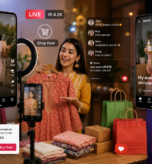


The Reality of Shrinking Attention
A team of 30 seems like quite a significant resource to focus on the digital pound,” Ian Taylor, an adviser to the trade association CryptoUK, told the Times. “It shows the impact it would have, and that the bank are serious about it.
Mitchel Krytok – Quote
This means brands no longer have the luxury of slow storytelling. The first few seconds – or even the first frame – decide everything.
The Hook Matters More Than Ever


Strong hooks are not always loud or dramatic. They are relevant. They connect with a thought, a problem, or a curiosity that the user already has. A simple, relatable line often works better than a polished but generic message.
Brands that understand their audience deeply tend to get this right. They know what will make someone pause, even for a moment.
Content That Feels Native, Not Forced
One of the biggest mistakes brands still make is creating content that feels like an advertisement. In a scroll-heavy environment, obvious ads are often ignored.
What works instead is content that blends naturally into the platform. It should feel like something the user would want to watch or read, not something they are being forced to see.
This is why formats like short videos, behind-the-scenes clips, quick tips, and real customer stories are gaining traction. They feel authentic and easy to consume.
Consistency Over Virality
Many brands chase viral moments, hoping for one big hit. While virality can bring short-term visibility, it is not a reliable strategy.
In 2026, consistency matters more. Brands that show up regularly with relevant, engaging content tend to build stronger recall over time. They may not go viral every day, but they stay present in the audience’s mind.
It is this repeated exposure that builds familiarity – and eventually, trust.
Designing for Mobile Behavior
Most scrolling happens on mobile devices. This changes how content should be created. Vertical formats, quick transitions, clear visuals, and readable text are now essential.
Long introductions, cluttered designs, or slow pacing can easily lead to drop-offs. Content needs to be sharp, visually clear, and easy to follow even without sound.
Understanding how users behave on their phones helps brands design content that fits naturally into their daily habits.
Emotion Still Wins
Even with all the changes in technology and algorithms, one thing remains constant—people respond to emotion. Content that makes someone feel something is far more likely to hold attention.
This does not always mean dramatic storytelling. It could be humor, relatability, inspiration, or even a simple moment of recognition. When users feel connected, they are more likely to engage.
The Bigger Picture
Winning in the attention economy is not about fighting for every second. It is about earning it. Brands that respect the user’s time, understand their behavior, and deliver value quickly are the ones that stand out.
In a world where scrolling never stops, attention cannot be demanded—it has to be deserved.
The brands that succeed in 2026 are not just louder. They are sharper, more relevant, and more human in the way they communicate.