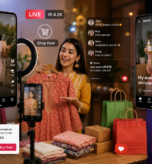


A few years ago, social media was primarily a place for entertainment and brand awareness. Today, it has evolved into a powerful sales channel where discovery, engagement, and purchasing happen within minutes. Consumers no longer need to visit multiple websites or spend time comparing products – they often make buying decisions while scrolling through a 30-second video.
This shift has given rise to short-form video commerce, a trend that is transforming how brands connect with customers and generate revenue.
Platforms like Instagram Reels, YouTube Shorts, and live shopping sessions are no longer just content formats. They have become digital storefronts where storytelling and commerce work together.
The New Shopping Journey Starts with a Scroll
Traditional e-commerce relied on search. Customers visited marketplaces or search engines looking for a product they already intended to buy.
Today, shopping often begins with discovery.
A user scrolling through Reels might come across a skincare demonstration, a fashion styling video, or a kitchen gadget in action. Within seconds, curiosity turns into interest, and interest often leads to a purchase.
This impulse-driven behaviour is changing the way brands approach digital marketing. Instead of waiting for customers to search, businesses are bringing products directly into consumers’ daily content consumption.
Why Short Videos Convert Better
Short-form videos combine entertainment with information. They quickly showcase how a product looks, works, and solves a problem without requiring the audience to read lengthy descriptions.
A 20-second demonstration can communicate more effectively than several paragraphs of text.
These videos also create a sense of authenticity. Real people using real products in everyday situations feel more relatable than polished advertisements. This makes consumers more confident about trying a product themselves.
In many cases, the buying decision happens before the video ends.
Live Shopping Adds a Human Touch
Live shopping is becoming another major driver of digital sales.
Instead of browsing static product pages, customers can watch live demonstrations, ask questions in real time, and receive instant responses. The experience closely resembles interacting with a salesperson in a physical store.
This combination of entertainment and direct engagement builds trust and reduces hesitation.
Limited-time offers, exclusive discounts, and live product launches further encourage immediate purchases, creating a sense of urgency that traditional online stores often struggle to achieve.
Creators Are Becoming the New Salespeople
Influencer marketing is evolving into creator-led commerce.
Consumers trust creators because they present products through personal experiences rather than scripted advertisements. Their recommendations often feel like advice from a friend instead of a marketing campaign.
Brands are increasingly collaborating with niche creators who have highly engaged communities rather than focusing only on celebrities with massive followings.
Authenticity has become one of the strongest drivers of conversion.
The success of a campaign now depends less on follower count and more on credibility and audience trust.
Content and Commerce Are No Longer Separate
The traditional marketing funnel treated content as a tool for awareness and websites as the place where sales happened.
That distinction is disappearing.
Today, content itself drives transactions. A well-crafted Reel or Short can introduce a product, answer questions, demonstrate value, and motivate a purchase—all within a single viewing experience.
Consumers no longer see a clear line between entertainment and shopping. They expect both to happen simultaneously.
Brands that integrate commerce naturally into their content are adapting more effectively to this behavioural shift.
Success Depends on Storytelling, Not Selling
One common mistake businesses make is treating short-form videos like conventional advertisements.
Audiences are quick to skip content that feels overly promotional.
The most successful brands focus on storytelling. They educate, entertain, solve problems, or inspire before introducing the product. This approach keeps viewers engaged and makes the promotional aspect feel natural rather than forced.
In short-form commerce, attention is earned through value, not sales pitches.
The Future of Digital Retail
As social platforms continue to invest in shopping features and AI-powered recommendations, short-form video commerce is expected to become even more influential.
Consumers are becoming comfortable discovering, evaluating, and purchasing products without ever leaving the platform. The gap between content and conversion is shrinking rapidly.
Brands that embrace this shift early will be better positioned to capture changing consumer behaviour and build stronger digital relationships.
Conclusion
Short-form video commerce is redefining the online buying experience. Reels, Shorts, and live shopping sessions are turning everyday content into powerful sales opportunities by combining storytelling, authenticity, and convenience.
For businesses, the opportunity is no longer just about creating viral content. It is about creating meaningful content that informs, engages, and inspires action.
In the new era of digital commerce, the brands that tell the best stories are often the ones that make the most sales.
A team of 30 seems like quite a significant resource to focus on the digital pound,” Ian Taylor, an adviser to the trade association CryptoUK, told the Times. “It shows the impact it would have, and that the bank are serious about it.
Mitchel Krytok – Quote