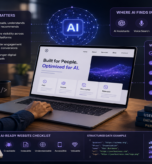

The Rise of AI-Driven Search
A team of 30 seems like quite a significant resource to focus on the digital pound,” Ian Taylor, an adviser to the trade association CryptoUK, told the Times. “It shows the impact it would have, and that the bank are serious about it.
Mitchel Krytok – Quote
For marketers, the challenge is clear: visibility is no longer just about ranking first. It is about being part of the answer itself.
Traditional SEO Still Matters – But It Has Evolved

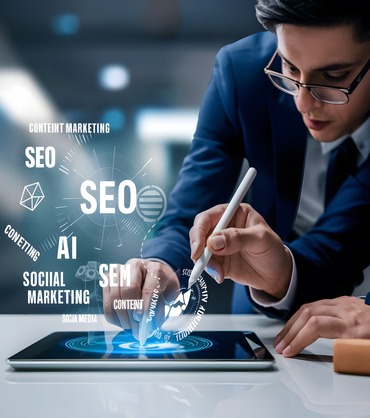
Content That Answers, Not Just Attracts
AI search tools prefer content that is well-structured, easy to understand and informative. Articles that break down complex topics, include clear explanations and address user intent are more likely to be picked up.
This also means brands need to think beyond blogs. FAQs, how-to guides, comparison pages, and explainer content are becoming more important than ever.
The Role of Authority and Trust
As AI systems decide which sources to use for answers, credibility becomes critical. Search engines are prioritizing content from trusted and authoritative sources.
Brands need to build this trust over time. Publishing consistent, high-quality content, earning mentions from credible platforms and maintaining a strong digital presence all contribute to authority.
It is no longer about producing a large volume of content. It is about producing content that is reliable and worth referencing.
Optimising for Zero-Click Searches
One of the biggest changes in 2026 is the rise of zero-click searches. Users get their answers directly on the search page, which means they may never visit a website.
Instead of fighting this trend, brands should adapt to it. The goal should be to own visibility, even if it does not always lead to a click.
This can be done by creating content that is likely to be featured in summaries, snippets and AI-generated responses. Clear headings, concise explanations and structured formatting increase the chances of being selected.
A More Integrated Approach
Search is no longer limited to search engines. Platforms like social media, video apps and even marketplaces are becoming discovery channels. People are searching everywhere.
This means SEO cannot exist in isolation. It must work alongside content marketing, social media and brand strategy. A strong presence across platforms increases the chances of being discovered, whether through AI search or traditional methods.
Conclusion
The shift from traditional SEO to AI-driven search is not a threat – it is an evolution. Brands that understand this change and adapt their strategies will continue to stay visible.
In 2026, success in search is not just about rankings. It is about relevance, trust and the ability to provide clear answers when users need them. The brands that focus on these elements will not just survive the shift – they will lead it.