
For a long time, influencer marketing followed a simple formula. Brands partnered with people who had large followings, paid for a post or two, and expected reach, engagement, and sales. It worked – until it didn’t.
In 2026, space has clearly evolved. The focus is no longer just on influencers, but on creators. At first glance, the difference may seem small, but in reality, it has changed how brands approach collaborations altogether.
From Reach to Relevance
Earlier, follower count was everything. Brands would often choose influencers based on numbers – how many people they could reach in a single post. But over time, audiences became more aware. Sponsored posts started to feel repetitive, sometimes even forced.
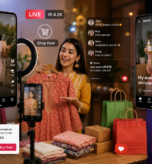
Creators, on the other hand, are known for what they create, not just who follows them. Their strength lies in storytelling, consistency, and a clear content style. People follow them because they enjoy their content, not just because they are popular.
A team of 30 seems like quite a significant resource to focus on the digital pound,” Ian Taylor, an adviser to the trade association CryptoUK, told the Times. “It shows the impact it would have, and that the bank are serious about it.
Mitchel Krytok – Quote
This shift has pushed brands to move from chasing reach to focusing on relevance. A creator with a smaller but loyal audience can often deliver better results than a large influencer with low engagement.
Content Comes First
One of the biggest changes in this shift is the importance of content quality. Creators spend time understanding their audience, experimenting with formats, and building a unique voice. Their content feels natural and platform-friendly.


For brands, this means letting go of rigid scripts. Instead of controlling every word, they are learning to trust creators with the message. When creators present a brand in their own style, it feels more authentic – and audiences respond better to it.
In many cases, the content created during these collaborations performs better than traditional ads.
Long-Term Partnerships Over One-Time Deals
Another clear trend is the move toward long-term relationships. One-off promotions are slowly losing impact because audiences can easily identify when a brand is just “passing through.”
When creators work with a brand over time, the association feels genuine. It becomes part of their regular content rather than a sudden interruption. This consistency helps build trust, which eventually leads to better engagement and conversions.
Brands are now investing in ongoing collaborations, where creators become a natural extension of their marketing efforts.
Creators as Strategic Partners
In 2026, creators are not just content distributors – they are strategic partners. They understand trends, platform behavior, and audience preferences better than most.
Smart brands involve creators early in the process. Instead of just handing over a brief, they collaborate on ideas, formats, and storytelling. This leads to campaigns that feel more aligned with how people actually consume content.
Creators also bring fresh perspectives. They know what works, what feels overdone, and what can stand out in a crowded feed.
Platform-First Thinking
Different platforms demand different types of content. What works on short video platforms may not work on professional networks or long-form channels.
Creators are already tuned into these differences. They know how to adapt messaging for each platform without losing its essence. This helps brands maintain consistency while still being relevant across channels.
Instead of creating one campaign and pushing it everywhere, brands are now thinking in terms of platform-specific storytelling.
Measuring What Actually Matters
The way success is measured is also changing. Earlier, brands focused on likes, shares, and impressions. While these metrics still matter, they are no longer enough.
Now, the focus is on deeper engagement—comments, saves, shares, and even direct messages. These signals indicate that the audience is not just seeing the content but actually connecting with it.
Creators who build strong communities tend to perform better on these metrics, making them more valuable partners for brands
Conclusion
The shift from influencers to creators is not just a trend—it reflects a deeper change in how people consume content and connect with brands.
In 2026, successful collaborations are built on authenticity, creativity, and trust. Brands that treat creators as partners rather than just promotional tools are seeing better results.
At the end of the day, people do not engage with ads – they engage with stories. And creators are the ones telling those stories in a way that feels real.